
Author, Speaker & Holistic Medical Practitioner
Empowering People Through and Beyond Cancer
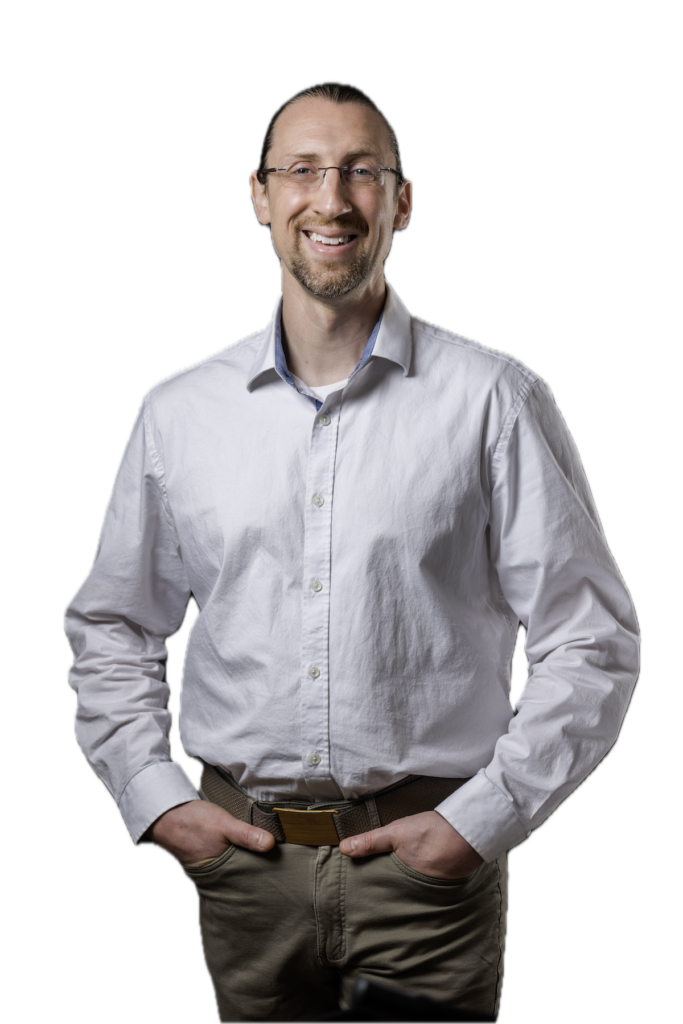
Brandon LaGreca, LAc, MAcOM, is a licensed acupuncturist, three-time author, and stage 4 lymphoma survivor. His work bridges evidence-based integrative oncology, environmental medicine, and the healing power of mind and spirit.
Brandon’s latest publication
Cancer, Trauma & Emotions
A Traditional Medicine Path to Spiritual Wholeness
Could unresolved trauma be the missing piece in understanding cancer? Drawing on mind-body science, epigenetics, and neuroscience, Brandon’s newest book maps how emotional wounds shape physiology and gene expression, then offers an evidence-based toolkit for healing. Now available in print, eBook, and audiobook.


Join My Newsletter
Subscribe to the monthly newsletter to read the latest blog post, get updates on speaking events, and receive sneak-peek material from my next book.
Latest articles
Empowered Patient Blog
Healthy and empowered people strengthen their community and change the world.
-

Technology in Service of Life: Integrative Oncology, IV Vitamin C, and Hormesis
A recent article in LILIPOH magazine, “Technology in Service of Life,” by integrative veterinarian Jyl Rubin, DVM, caught my attention because of…
Read more about Technology in Service of Life: Integrative Oncology, IV Vitamin C, and Hormesis
-

The Best Diet for Cancer? An Integrative Approach to Nutrition and Cancer Care
One of the questions I’m asked most regularly is: Is there an optimal diet for cancer? I’ll give you the punchline at…
Read more about The Best Diet for Cancer? An Integrative Approach to Nutrition and Cancer Care
-

Why You Should Order Your Own Blood Work: The $593 Lesson
Healthcare is an inside job, but I occasionally make an appointment with my primary care physician to review basic blood work. We’re…
Read more about Why You Should Order Your Own Blood Work: The 3 Lesson
-

Chemical Exposure, Immune Function, and the Terrain of Chronic Disease
Every so often, I come across a technical document that deserves a wider audience. Not because it is easy reading, but because…
Read more about Chemical Exposure, Immune Function, and the Terrain of Chronic Disease
-

Why Sleep: And Why You Shouldn’t Use a Sleep Tracker
Do you check your sleep score every morning and cheer or despair based upon the outcome? If sleep tracking is an integral…
Read more about Why Sleep: And Why You Shouldn’t Use a Sleep Tracker
-

Why Retreat: The Power of Rest
A colleague of mine once gave me a piece of advice I have never forgotten: before a patient goes to a psychologist…
Straight answers
Frequently Asked Questions
The questions Brandon hears most often from patients, readers, and audiences, answered from twenty years of clinical practice and his own journey through stage 4 cancer.
I advocate for an integrative oncology approach that leverages the best of conventional and holistic oncology care. While a conventional oncologist is a disease expert, a holistic provider manages the patient’s health, immune function, and resilience. Furthermore, a holistic provider is invaluable during remission and for those who wish to take a proactive stance in preventing cancer.
It depends on the disease burden and the symptoms present at the time of diagnosis. Immunotherapies are promising conventional interventions that may be applicable. In my case, I achieved remission in eight months following an integrative protocol that included immunotherapy and holistic therapies, but without chemotherapy, radiation, or surgery. Whatever each individual chooses with the advice of a knowledgeable and compassionate oncologist, there is always room for adjunctive care with holistic therapies.
This is patently false. There are many evidence-based integrative oncology therapies that maximize the benefit of conventional oncology treatment while minimizing their side effects. A well-researched survey of many such therapies can be found in the book Outside the Box Cancer Therapies. To learn more about individualizing such modalities for you, find an integrative oncology specialist via The Nicholas Gonzalez Foundation, the Metabolic Terrain Institute of Health, and/or the Oncology Association of Naturopathic Physicians.
Cancer is a genetic disease that, in the overwhelming majority of cases, is instigated by environmental factors. This is the science of epigenetics. My work focuses on environmental medicine and psycho-oncology, addressing poisons in our environment (carcinogens) and the contributing factors of stress and trauma.
It’s not 100% clear that either is a textbook carcinogen, but more often than not, the behaviors we adopt to cope with stress and trauma—alcohol and tobacco products, for example—are unequivocal carcinogens. It’s fair to say that chronic stress and severe trauma, if unmitigated, are potent contributing factors to the development of cancer, and the research in my books provides the evidence base for that claim.
Four corroborating lines of evidence suggest that non-native electromagnetic fields are indeed a probable human carcinogen. What we don’t know is the dose that makes the poison, or what intensity of exposure, over what length of time, is sufficient to cause oxidative stress and damage DNA. That we are not seriously investigating this question as sources of EMFs proliferate is an unmitigated human (and environmental) health crisis.

Bring Brandon to Your Event
Brandon speaks to conferences, universities, and clinical teams on integrative oncology, environmental medicine, and the anticancer mindset.